Unlock the Secret to Authentic Southern Sweet Tea Perfection
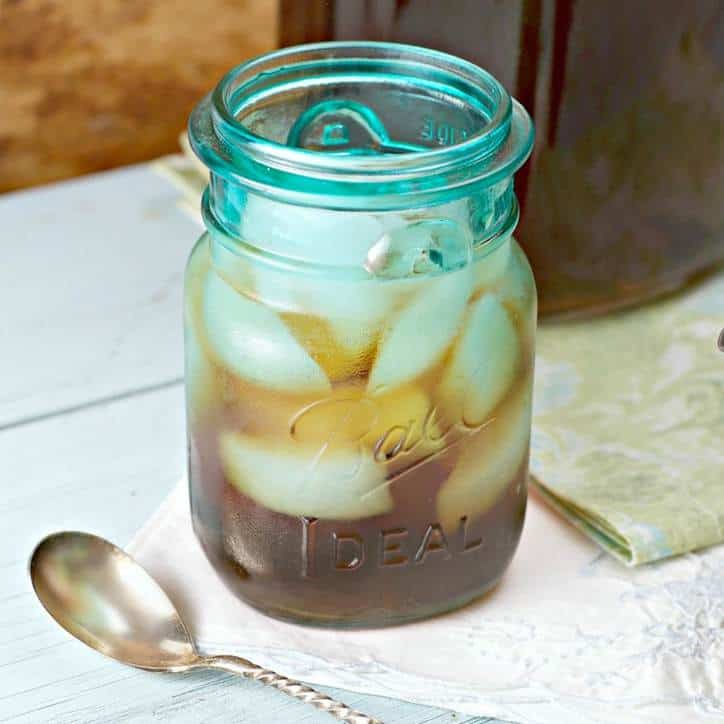
For those born and raised below the Mason-Dixon line, the phrase "a glass of tea" conjures a very specific image: a tall, condensation-beaded glass filled with a rich amber liquid, sweetened to perfection, and brimming with ice. This isn't just any tea; it's authentic Southern Sweet Tea, a beverage as ingrained in the region's identity as hospitality itself. It flows like water in Southern homes and restaurants, a constant, comforting presence in the refrigerator, ready to quench thirst on the hottest days or complement any meal.
The profound difference between "tea" in the South and elsewhere often comes as a cultural shock. Imagine the surprise of a native Southerner, accustomed to the inherent sweetness of their tea, ordering "tea" in a bustling Northern city only to receive a bland, unsweetened brew. This pivotal moment of realization – that the rest of the world doesn't automatically sweeten their tea – highlights just how deeply ingrained this beloved drink is in the Southern way of life. For us, if you want unsweetened tea, you specifically ask for "unsweet tea." Otherwise, it's understood: it’s sweet.
A Sip Through History: The Origins of Southern Sweet Tea
The story of Southern Sweet Tea is deeply intertwined with the history of the American South itself, particularly its agricultural landscape. While tea might seem like an exotic import, the truth is that North America, and specifically South Carolina, played a significant role in its early cultivation. The Palmetto State was home to some of the very first tea plantations in the United States, and notably, it's thought to have been the only state to successfully grow tea commercially for a time. This legacy of tea cultivation naturally paved the way for a regional appreciation of the beverage.
As for the exact "birth" of sweet tea, there's a charming debate. Many proudly declare South Carolina as its birthplace, a natural extension of its tea-growing heritage. However, historical records also point to Virginia. Marion Tyree, from Lynchburg, Virginia, is credited with printing one of the earliest known recipes for sweet iced tea in her 1879 book, "Housekeeping in Old Virginia." Interestingly, her original recipe called for green tea and lemon. It wasn't until later that black tea became the preferred base, setting the stage for the modern southern sweet tea we adore today. Regardless of its precise origin point, the South undeniably adopted and perfected this sweet concoction, making it its own.
Defining Southern Sweet Tea: More Than Just Tea and Sugar
So, what exactly constitutes authentic Southern Sweet Tea? At its heart, it's a meticulously crafted black tea infusion. The process is simple yet precise: black tea is steeped in hot water for a specific duration, typically between 5 to 15 minutes, depending on desired strength. The magic, and the critical difference from simply adding sugar to cold tea, happens next: the hot tea solution is mixed with sugar, allowing the sugar granules to fully dissolve and integrate into the hot liquid. This creates a homogeneous, perfectly sweetened concentrate. This hot, sweetened tea is then carefully poured into cool water, before being chilled thoroughly and served over ice.
It's crucial to reiterate that sweet tea is not made unsweetened and then sweetened with sugar later. Attempting to dissolve sugar in cold tea results in a gritty texture and a less integrated flavor profile. The warmth of the tea is essential for the sugar to properly bind with the tea's compounds, resulting in that smooth, harmonious sweetness that defines the drink. If you find yourself with unsweetened tea and a craving for sweet, the only comparable method is to create a simple syrup (equal parts sugar and water, heated until sugar dissolves) and add that to the cold tea.
The Blueprint for Perfection: Crafting Your Own Southern Sweet Tea
Making the perfect pitcher of southern sweet tea is a cherished tradition, often passed down through generations. While individual preferences for strength and sweetness abound, the core method remains consistent. Here’s a tried-and-true approach, ensuring a delicious result every time:
Essential Ingredients & Equipment:
- Black Tea: This is the soul of your sweet tea. While loose-leaf black tea offers superior flavor and customization, most Southerners swear by readily available tea bags. Popular choices include Lipton and Luzianne. For a truly authentic taste, opt for a "iced tea blend" or a robust black tea like Orange Pekoe or English Breakfast.
- Granulated Sugar: White granulated sugar is standard. The amount is subjective, but expect to use a generous quantity to achieve that true Southern sweetness.
- Water: Filtered water is always recommended to ensure a clean, pure taste that allows the tea to shine.
- Large Heat-Proof Pitcher or Jar: For steeping and mixing.
- Large Serving Pitcher: Ideally 1-gallon capacity.
- Fine-Mesh Sieve (if using loose-leaf tea): For straining.
The Perfect Southern Sweet Tea Method:
- Boil Water for Steeping: Bring about half of your desired total volume of water (e.g., 2 cups for a half-gallon batch, 4 cups for a gallon) to a rolling boil.
- Steep the Tea: Place your tea bags (or loose-leaf tea in an infuser) into your heat-proof pitcher. Pour the boiling water directly over the tea.
- Brew to Your Preference: Let the tea steep. For a classic Southern strength, 5-10 minutes is common. For a stronger brew, you can go up to 15 minutes. *Avoid over-steeping*, as this can release tannins and result in a bitter taste.
- Remove Tea Bags/Strain: Once steeped, remove the tea bags, squeezing them gently to extract all the flavor (some Southerners skip the squeeze to avoid bitterness, others swear by it – experiment to find your preference). If using loose-leaf tea, strain the concentrate into your serving pitcher.
- Add Sugar While Hot: Immediately add your sugar to the hot tea concentrate. Stir vigorously until the sugar is completely dissolved. This is the most critical step for that perfect, smooth sweetness. A common starting point is 1 cup of sugar per gallon of tea, but adjust to your taste.
- Dilute with Cold Water: Fill the remainder of your serving pitcher with cold, filtered water. Stir well to combine the concentrate with the cold water.
- Chill Thoroughly: Place the pitcher in the refrigerator and chill for at least 2-4 hours, or ideally overnight. Sweet tea is best served ice cold.
- Serve Over Ice: Pour over plenty of ice and enjoy! Garnish with a lemon slice if desired, though many purists prefer it unadorned.
Expert Tip: For extra clarity and to prevent cloudiness, allow your tea to cool slightly before adding the cold water, but *always* add the sugar while it's still piping hot.
When to Enjoy the "House Wine of the South"
Southern Sweet Tea isn't reserved for special occasions; it's a staple of daily life. As Dolly Parton famously quipped in Steel Magnolias, it's the "House Wine of the South." It’s poured by the gallon year-round, making appearances at every meal from Sunday dinner to a quick weeknight bite. There’s nothing quite like sipping a glass on a front porch swing on a lazy afternoon, watching the world go by. And when the notorious Southern humidity hits, a glass of ice-cold sweet tea is unparalleled in its ability to quench a deep thirst after a long day in the heat.
Like cherished family recipes passed down through generations, sweet tea recipes often have subtle variances. Some prefer it incredibly strong, others a touch lighter. Some go for a syrupy sweetness, while others aim for a more balanced profile. These nuances are what make homemade sweet tea so personal and special. The "perfect" recipe is ultimately the one that tastes best to you and your loved ones, often a family heirloom in liquid form.
Conclusion
Southern Sweet Tea is far more than just a drink; it's a symbol of Southern hospitality, tradition, and a way of life. From its historical roots in American tea cultivation to its essential role in everyday meals and gatherings, it embodies the warmth and comfort of the region. Mastering the art of its preparation – particularly understanding the critical step of adding sugar while the tea is hot – unlocks a flavor profile that is truly unique and undeniably delicious. So, brew a pitcher, pour it over ice, and savor a taste of the South, one perfectly sweet sip at a time.
